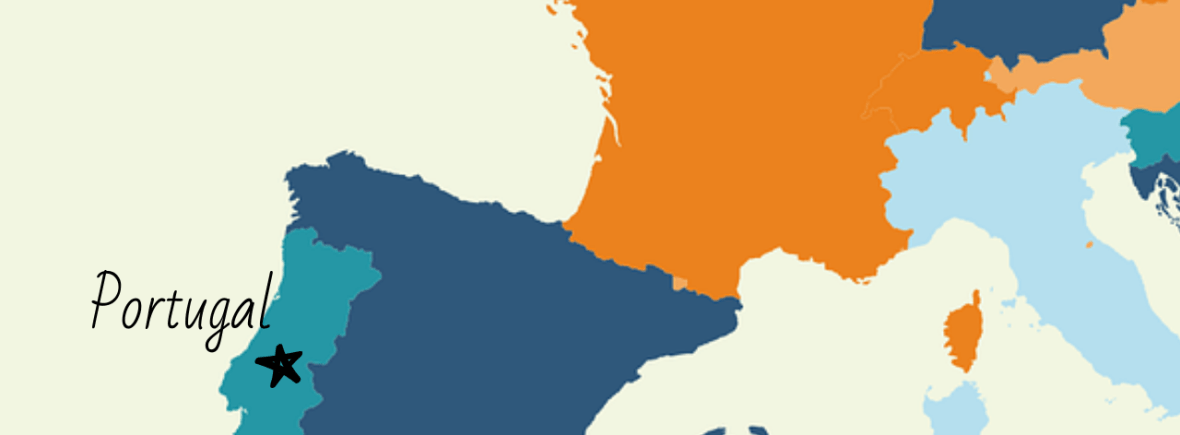

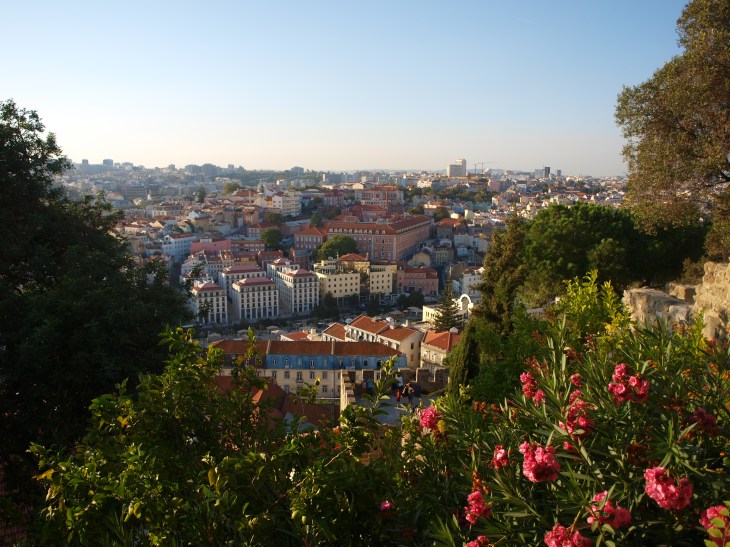
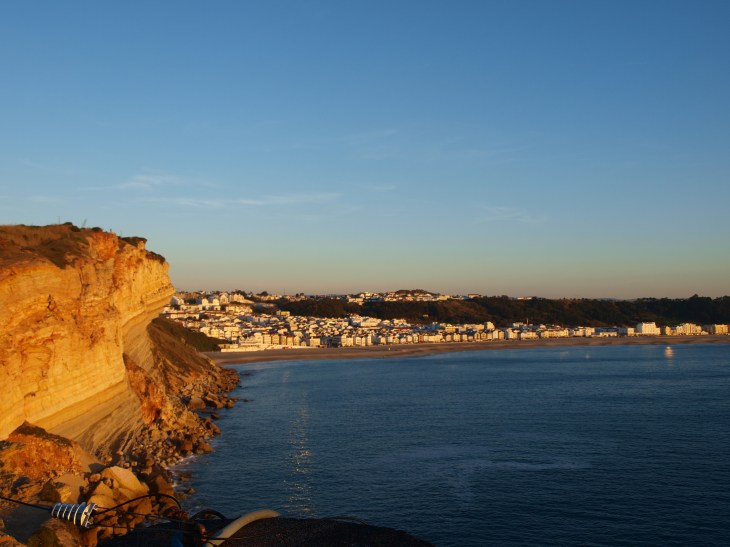
Bem-vindo a Portugal! Portugal is the most western country in Europe and forms part of the EU (European Union). With a timeline that dates back to the 1st millennium, Portugal has a rich cultural history. In January of 1986, Portugal officially joined the EU and, a year later, was one of the first countries to use the euro as their national currency. The official language is Portuguese, but the Portuguese spoken here is pretty different from Brazilian Portuguese. Before we get into that though, let’s talk a little bit about Portugal’s extensive history. If you want to just read the posts that I wrote about different cities, skip down to the part at the end that says “ARTICLES“.
History
Portugal’s history began a very long time ago. It was named Lusitania after the people, the Lusitania, which formed a collection of tribes that is currently Portugal (from the Douro river and below) and the western parts of Spain (like the Extremadura and parts of Salamanca). It formed part of the Roman Empire between the years 27 BC and 410 AD. Basically, Portugal was conquered many, many times (that can be seen through their art and architecture) until they regained permanent independence in 1640. Portugal had built itself into a rich and prosperous country with many valuable colonies and was an important asset to the trade industry. That all came crashing down in 1755 when Portugal experienced a devastating catastrophe with even more disastrous results. On the morning of November 1st, the first tremor of an earthquake was felt followed by an even more violent second wave that was preceded by a third wave. Over half of Lisbon was reduced to rubble. To make matters worse, candles in the churches lit for All Saint’s Day ignited the city into a 7-day raging fire. An hour later, an enormous wave overtook the lower part of the city from the Tagus river. An estimated amount of 15,000 people were lost during this tragedy in Lisbon alone. Since then, however, Portugal has been slowly but surely been rebuilding itself. Amidst the tragedy of 1755, Portugal managed to keep hold of its African colonies until 1975. Portugal joined the EU in 1986. In the late 2010s, there was an increase in tourism in the little country of Portugal.
Currency
Before the euro, Portugal’s national currency was the escudo. They adopted the use of euros in 1986 but that did not mean that they stopped using the escudo. It was only in 2002 when the national currency was officially made the euro that the use of escudo ended.
Language
The official language of Portugal is Portuguese. It’s pretty different from Brazilian Portuguese. The accent is the most noticeable difference, but there are grammatical differences. I’ll put in some things you can check out for continental Portuguese.
Phrasebooks


Basic/Portuguese for Beginners


Videos
Articles
“As an Amazon Associate, I earn from qualifying purchases.” “En calidad de Afiliado de Amazon, obtengo ingresos por las compras adscritas que cumplen los requisitos aplicables”« En tant que Partenaire Amazon, je réalise un bénéfice sur les achats remplissant les conditions requises. » “In qualità di Affiliato Amazon io ricevo un guadagno dagli acquisti idonei” „Als Amazon-Partner verdiene ich an qualifizierten Verkäufen“
 JustMari's Adventures